
Astuces DIY , dernières tendances décorations et tips de jardinage
Artisanat
Jardin
Maison
Article à la une
Maison
Notre rubrique « Trucs et astuces pour votre maison » ! Ici, vous trouverez des idées et des conseils pour rendre votre maison plus pratique, plus fonctionnelle et plus confortable en utilisant les ressources à votre disposition. Nous avons tous besoin d’un peu d’inspiration pour transformer nos maisons en espaces de vie efficaces qui répondent à tous nos besoins, et c’est exactement ce que nous vous offrons, avec une touche de créativité et d’originalité.
Des conseils pour optimiser votre espace de rangement aux astuces pour nettoyer et entretenir votre maison, en passant par des idées pour décorer avec style, notre rubrique de trucs et astuces s’adresse à tous ceux qui souhaitent améliorer leur quotidien chez eux. Alors prenez le temps d’explorer nos articles et n’hésitez pas à nous faire part de vos astuces personnelles également !
3 astuces déco faciles pour habiller vos murs
Aujourd'hui, je partage avec vous trois astuces de décoration infaillibles pour transformer vos murs nus en espaces élégants et personnalisés. Que...

Comment bien choisir son assurance professionnelle en tant qu’artisan ?
Dans le domaine de l'artisanat, choisir une assurance professionnelle adaptée est crucial pour protéger son activité et ses biens. Cette décision,...
Comment bien choisir un judas de porte ?
Afin d'avoir une vue extérieure de ce qui se passe au-delà de votre porte d'entrée, et tout simplement pour savoir qui se présente à votre porte, il...
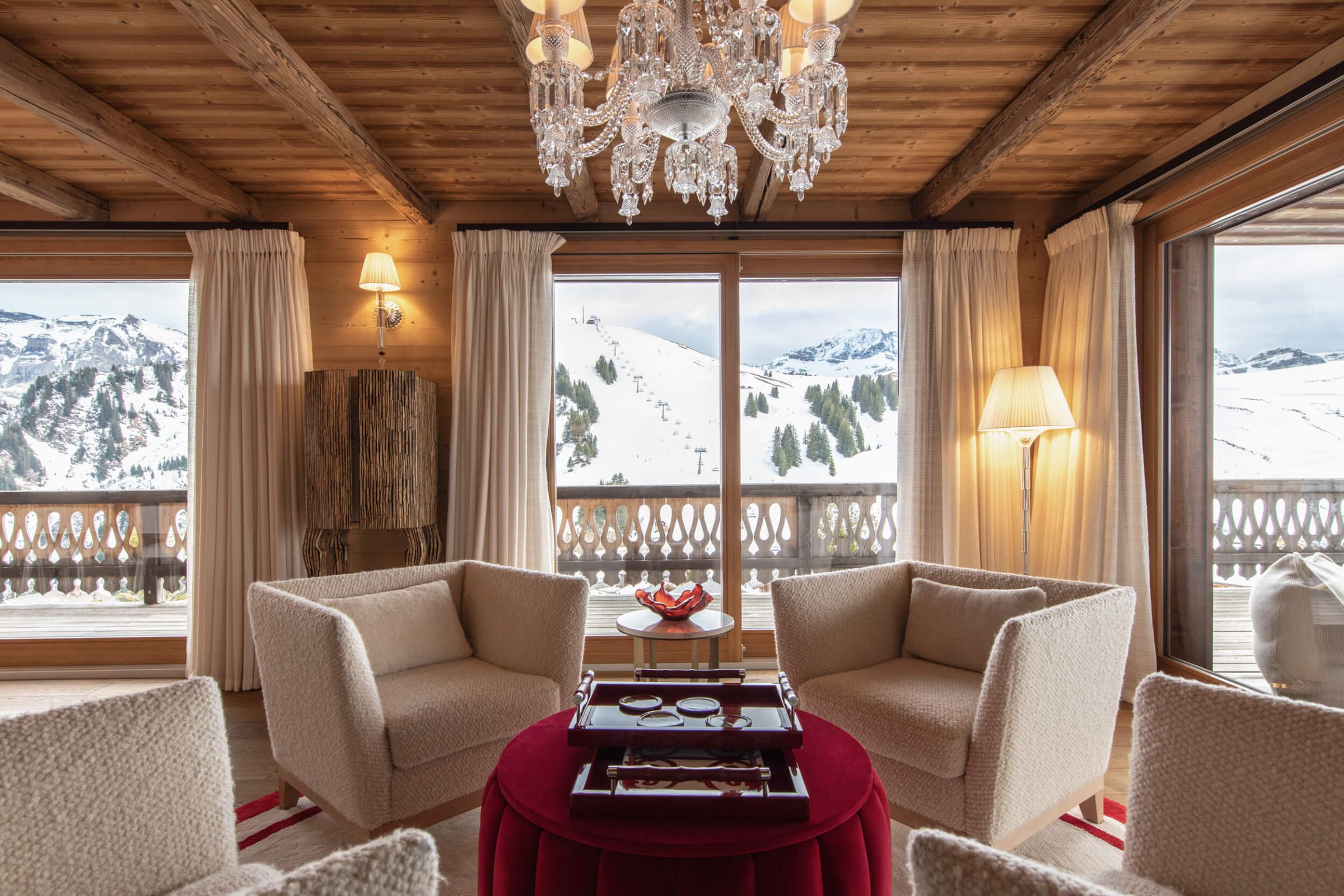
Les services que propose une entreprise de décoration d’intérieur
Les entreprises de décoration d'intérieur peuvent offrir une grande variété de services pour aménager et décorer votre maison. Du relooking à la...
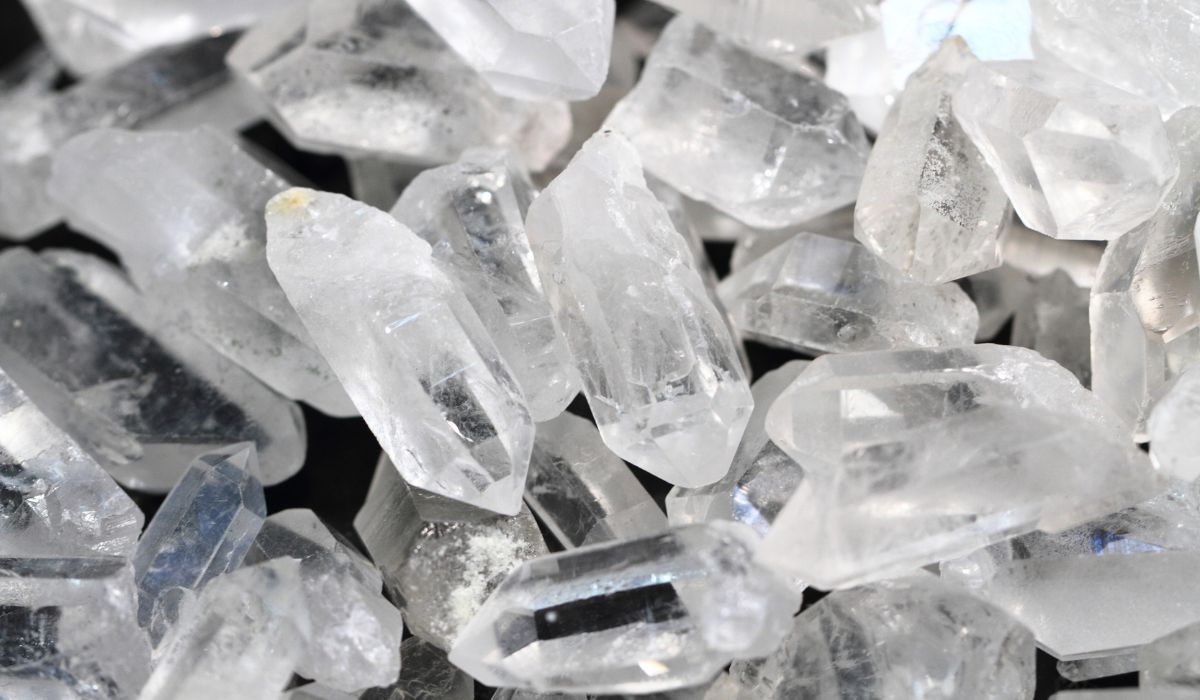
Cristal de bohème : pour sublimer votre décoration !
Le cristal de Bohème est un matériau prestigieux connu pour sa transparence et son éclat. Il est utilisé pour de nombreux produits tels que des...
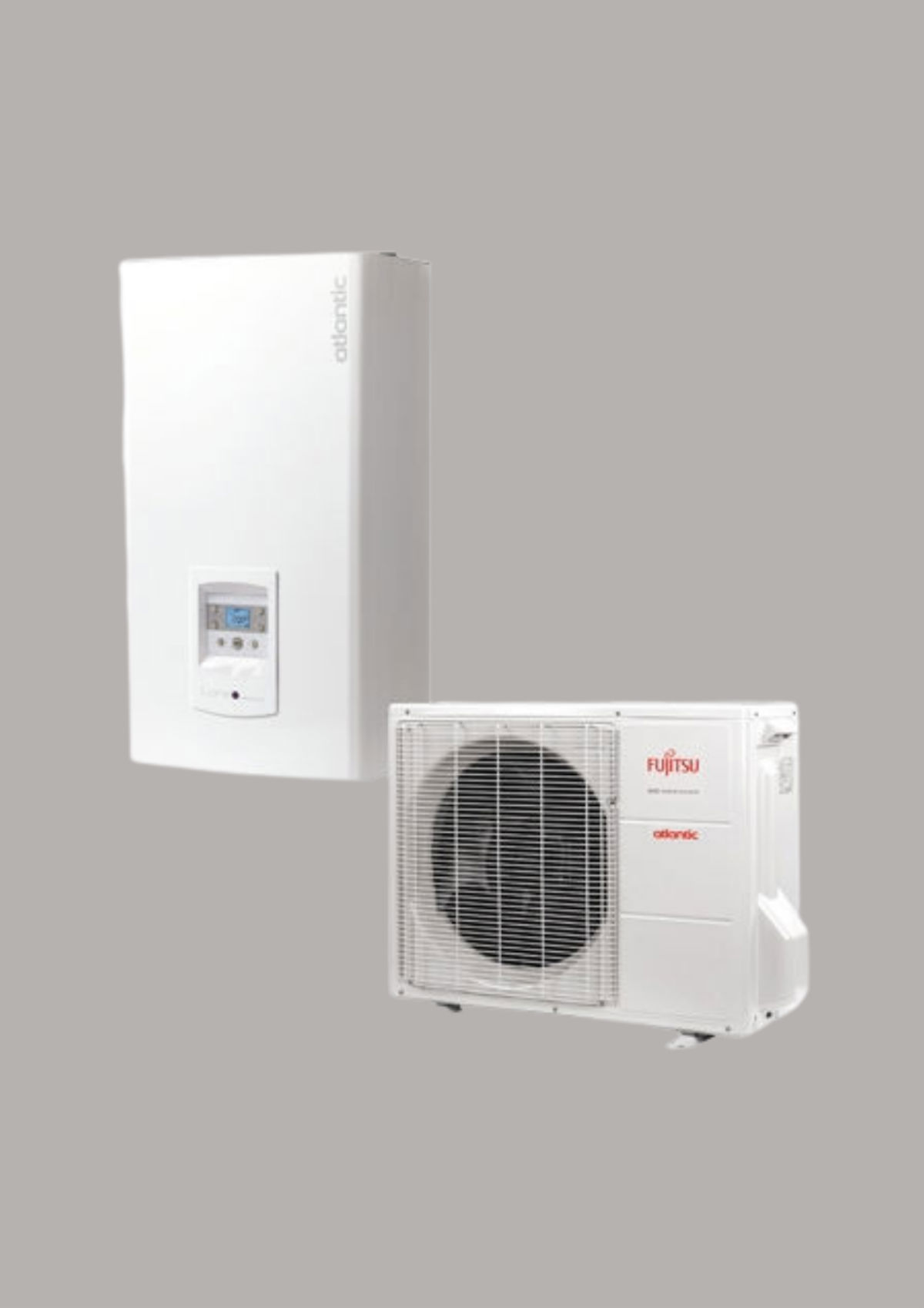
Les nombreux avantages de la pompe à chaleur
Avoir un système de chauffage performant est essentiel pour affronter sereinement les hivers. Cependant, il faut également considérer les impacts du...
Artisanat

Ici, vous trouverez des conseils et des astuces artisanales pour la rénovation, la construction et la décoration de votre maison. Notre blog est destiné à aider les passionnés de bricolage, les artisans et les professionnels du bâtiment à réaliser des projets de rénovation ou de décoration de la maison.
De la plomberie à la menuiserie en passant par l’électricité et la maçonnerie, notre blog explore toutes les techniques artisanales pour que vos projets soient une réussite. Nous vous donnons également des astuces pratiques pour entretenir votre maison, pour économiser de l’énergie ou encore pour réaliser des travaux à moindre coût.
Notre objectif est de partager notre savoir-faire avec vous et de vous offrir des conseils pratiques pour réussir votre projet de rénovation en toute confiance.
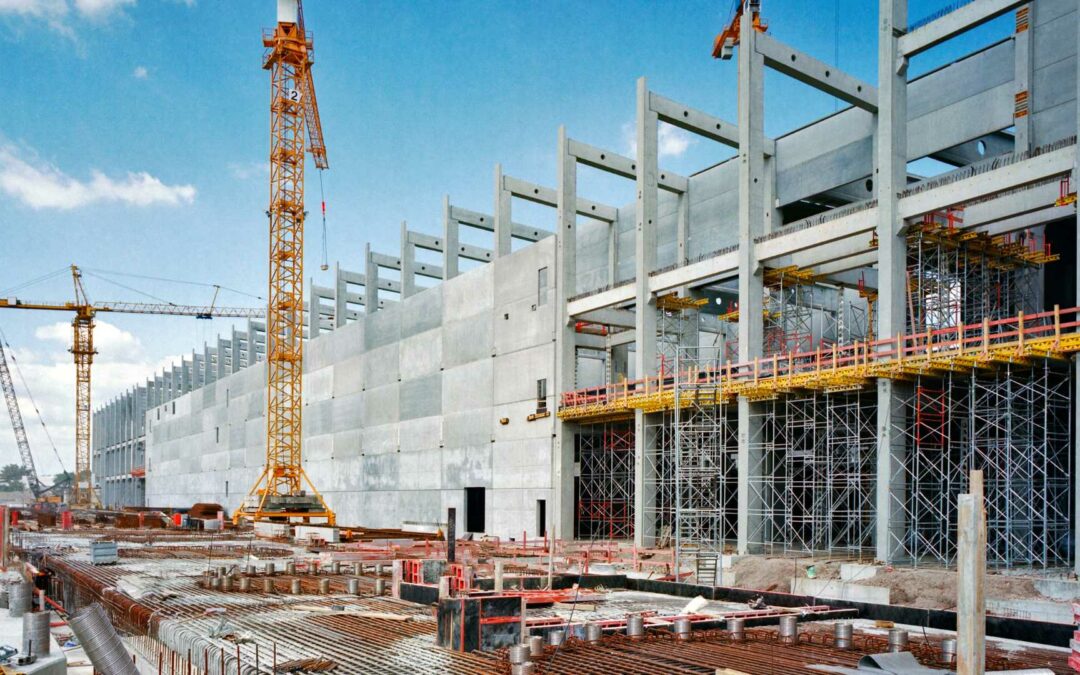
Besoin d’un vitrier en urgence sur cannes
Au même titre que vos portes, les vitres des fenêtres font partie des éléments qui assurent la sécurité de la maison ainsi que la protection de...
George Nakashima: Le Maître de la Menuiserie Moderne Américaine
Vous êtes passionnés d'arts décoratifs et de design ? Vous appréciez les créations d'artistes aux influences diverses ? Vous avez sans doute entendu...

Alessi: L’Artisanat Italien au service du Design Fonctionnel
Lorsqu'il s'agit de beauté et de fonctionnalité, rien ne surpasse le design italien. Alessi, une entreprise familiale établie en 1921, a su marier à...
Kawai Kanjiro: Le Maître de la Céramique Japonaise
Aujourd'hui, nous vous proposons de découvrir l'art de la céramique japonaise à travers la vie et l'œuvre de Kawai Kanjiro, grand maître dans son...

Le Souffleur de verre Lino Tagliapietra: Redéfinir l’Art du Verre de Murano
Dans le monde de l'art verre, il est un nom qui résonne tout particulièrement pour les amateurs : Lino Tagliapietra. Ce maître verrier italien a su...
Les Frères Campana et l’Innovation dans le Design d’Intérieur Brésilien
Les Frères Campana sont de véritables icônes dans le monde du design d'intérieur, apportant une touche unique à l'architecture et à la décoration...
Jardin
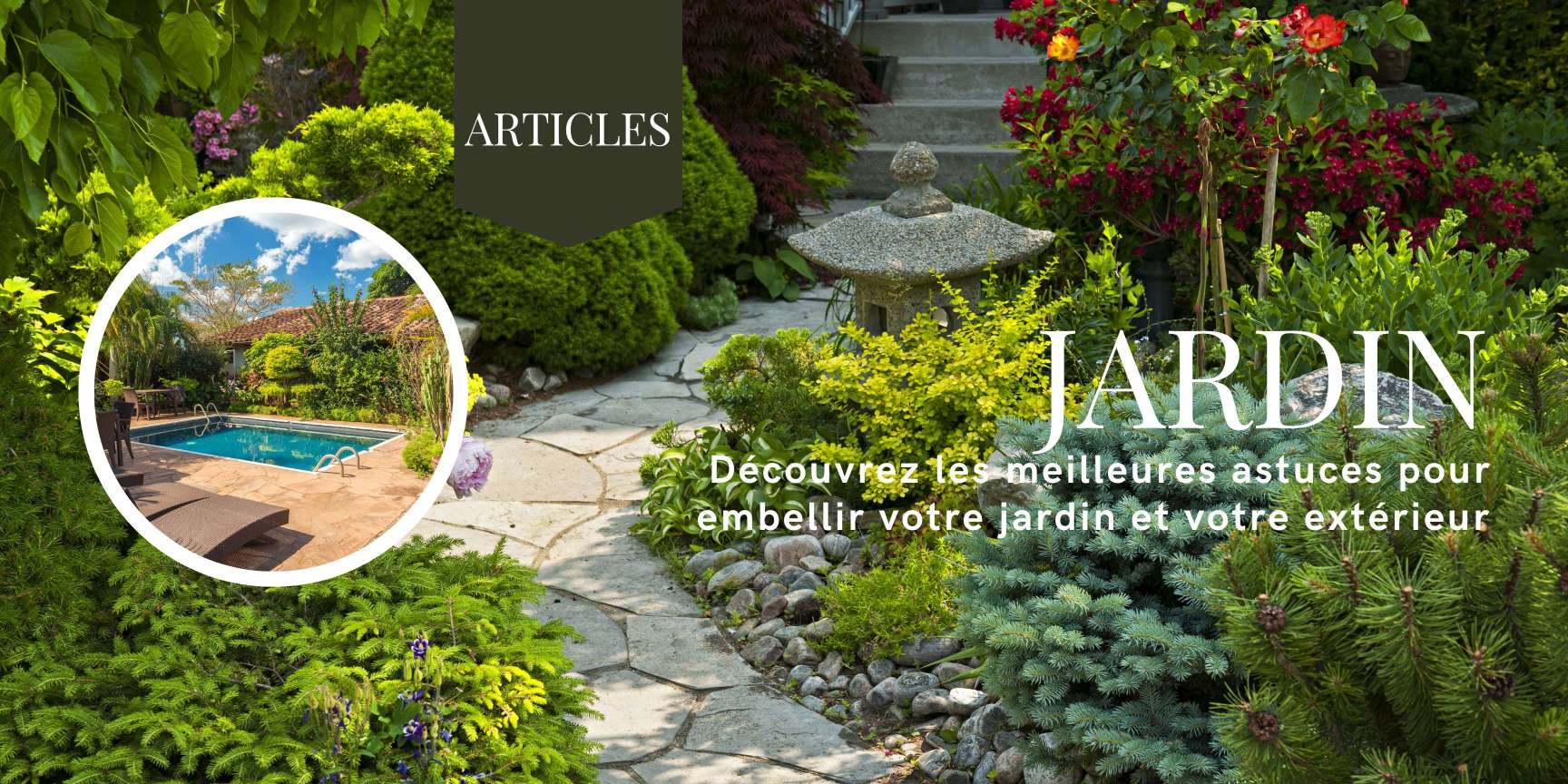
Ici, découvrez les meilleures astuces pour embellir votre jardin et votre extérieur ! Améliorez votre investment pour en faire un véritable lieu de détente et de convivialité grâce à des conseils pratiques et astucieux.
De l’éclairage extérieur à la construction d’un kiosque ou d’un pont de jardin, en passant par l’aménagement d’une terrasse ou l’installation d’une fontaine décorative, notre blog vous propose une grande variété de sujets pour vous aider à créer un environnement extérieur qui vous ressemble.
Mais notre blog ne se limite pas qu’à des conseils d’aménagement, il vous aidera également à bien entretenir votre jardin pour lui permettre d’être le plus beau possible.

5 conseils pour trouver la boisson parfaite pour l’été
L'été est synonyme de soleil, de vacances et de moments de détente au bord de la piscine ou dans son jardin. Pour accompagner ces instants de pure...

Les Jardins de Marqueyssac: Un Balcon sur la Dordogne
Au cœur du Périgord noir, les Jardins de Marqueyssac sont une véritable invitation à la promenade et à la découverte d'un site d'exception. Perchés...

Le Jardin du Prieuré d’Orsan: Une Invitation à la Méditation
Le Jardin du Prieuré d'Orsan, situé au cœur du Berry, est un espace unique et magique qui invite à la méditation et à la sérénité. Ce lieu de...

Le Parc de Wesserling: Une Ode au Textile dans un Écrin de Verdure
Dans le cadre enchanteur de la vallée de la Thur, en Alsace, se trouve un lieu unique en son genre : le Parc de Wesserling. Véritable musée à ciel...

Le Jardin des Plantes de Nantes: Une Expérience Botanique Riche en Découvertes
Le Jardin des Plantes de Nantes est un véritable écrin de verdure situé au cœur de la ville de Nantes. Riche en histoire et en diversité végétale,...

Le Domaine du Rayol: Un Tour du Monde de la Flore Méditerranéenne
Lorsque l'on évoque le tourisme en France, on pense souvent à la Tour Eiffel, au Mont Saint-Michel ou encore aux calanques de Marseille. Pourtant,...
Nos partenaires

Pour un diagnostic d’amiante rapide et peu coûteux, nous vous conseillons AmianteDiagnostic

J’ai trouvé un blog qui correspond à mes passion d’artisanat et de déco : Coplan parle agencement, bâtiment, industrie et artisanat aussi.